From Bean to Bar: The Chocolate Journey
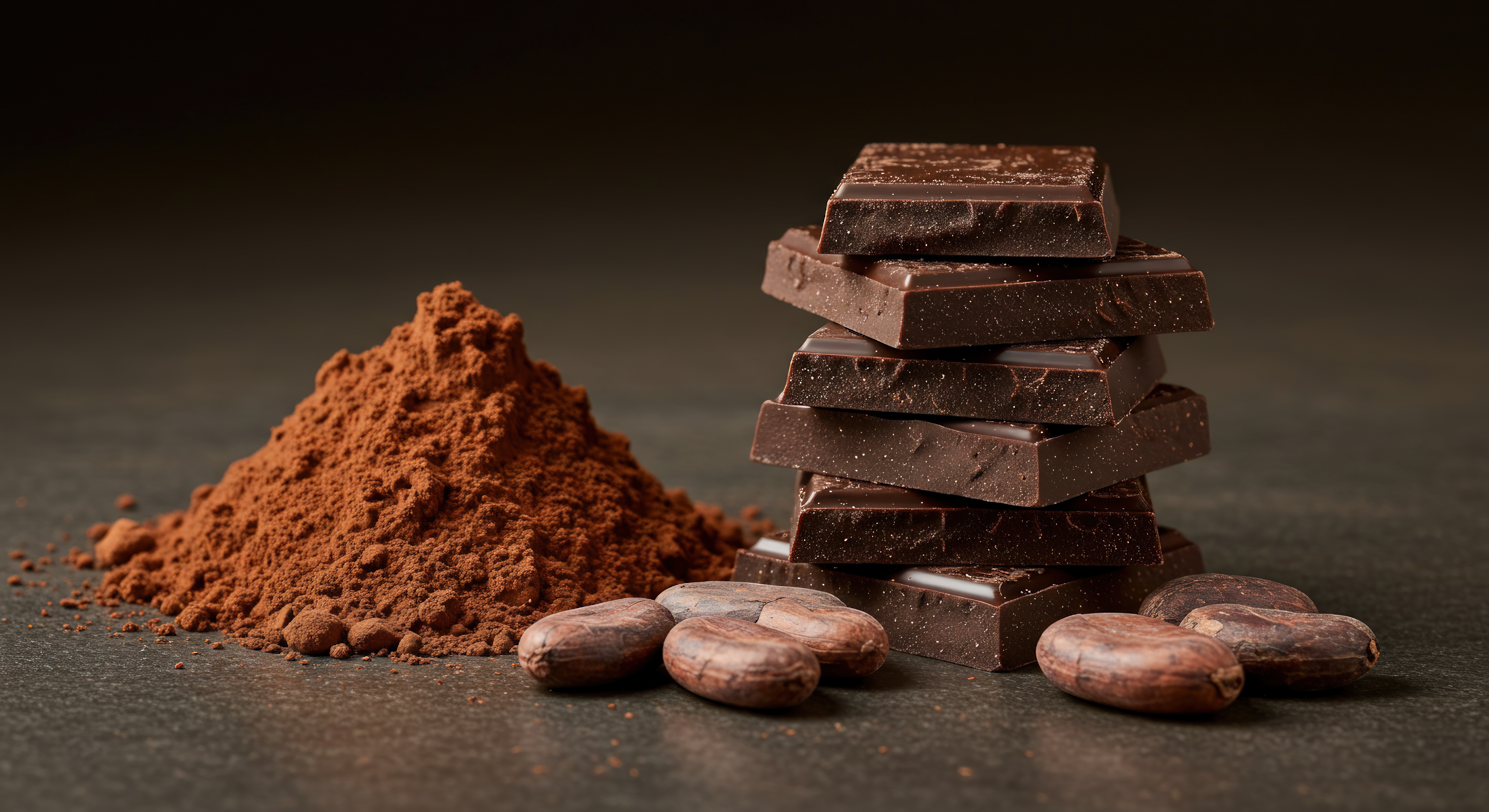
Every chocolate bar begins its journey far from the shop shelves — with the humble cocoa bean grown in tropical regions on small farms. Turning those beans into the delicious chocolate we know involves many careful steps, each contributing to the flavour, texture, and quality of the final product.
Growing Cocoa Beans
Cocoa trees thrive in hot, humid climates near the equator. They are usually tended by smallholder farmers in countries like Côte d’Ivoire, Ghana, Ecuador, and Indonesia. These trees produce pods throughout the year, and good agricultural care — including pruning, weeding, and pest control — is essential to healthy growth and future yields.
Harvesting and Pod Breaking
Once the cocoa pods are ripe, farmers harvest them by hand. Pods are then opened to extract the wet beans inside. This part of the process must happen regularly during the harvest season because the pods do not all mature at the same time.
Fermentation and Drying
After harvesting, the beans and their surrounding pulp are placed in piles and covered, where they ferment for several days. Fermentation is vital — it develops rich flavours and reduces bitterness. Afterward, the beans are dried in the sun for several more days to stop fermentation and make them suitable for storage and transport.
Sourcing, Cleaning, and Shipping
Once dried, the beans are cleaned, packed, and sold to buyers or cooperatives. They may be graded and stored near ports before being shipped to chocolate manufacturers. How beans move through the supply chain can vary, but careful handling helps maintain quality and traceability.
Roasting and Grinding
At the chocolate makers facility, the beans are roasted to deepen their flavour and develop aroma. Roasting conditions are adjusted depending on the variety and desired taste profile. The roasted beans are then cracked open and winnowed to remove the shells, leaving behind cocoa nibs. These nibs are ground into a smooth paste known as chocolate liquor, which forms the base of all chocolate products.
Conching and Refining
The chocolate liquor is further processed with other ingredients such as sugar, vanilla, and milk (for milk chocolate). It is refined and conched — a process that smooths texture and develops flavour through extended mixing under heat. This step is essential for achieving the characteristic richness and consistency of quality chocolate.
Tempering and Molding
Once refined, the chocolate is tempered by carefully controlling temperature to create stable crystals. This gives the finished bar its glossy surface and desirable snap. The tempered chocolate is then poured into molds and cooled to set into bars, bonbons, or other forms.
Packaging and Retail
Finally, the finished chocolate is wrapped, packaged, and shipped to stores or sold online, ready for chocolate lovers to enjoy. Whether dark, milk, or white chocolate, each bar reflects a long journey from the cocoa farms to your hands.